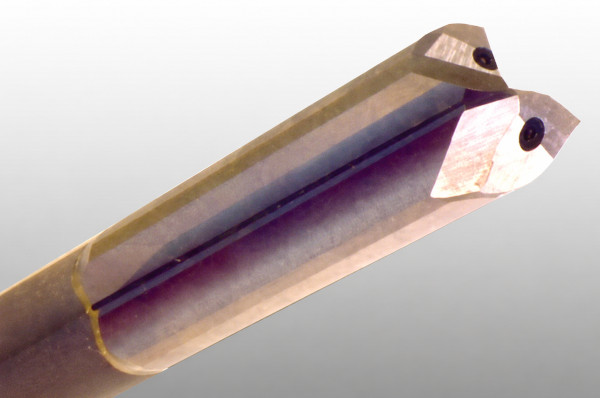
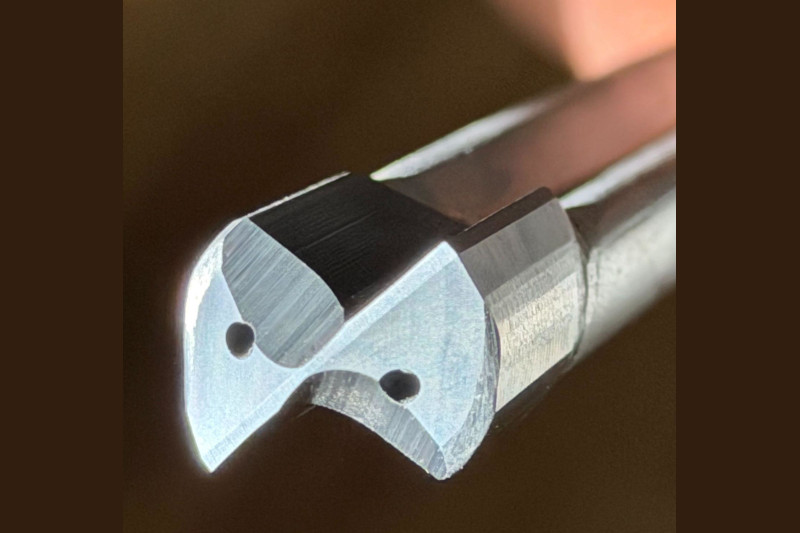
Where the Twin Flute Outperforms a Single Flute
The choice between single and twin flute comes down to workpiece material and production requirement. The twin flute gun drill is specifically suited to:
- Cast Iron — The brittle chip produced by cast iron needs to be broken and evacuated reliably. The twin flute geometry splits the chip more aggressively than a single flute, reducing the risk of chip packing at depth and improving bore finish consistency across long runs.
- Aluminium and Aluminium Alloys — Aluminium's tendency to build up on the cutting edge is managed more effectively with a twin flute design. Higher feed rates are achievable without the galling and smearing that degrades surface finish in single-flute operation on soft, gummy materials.
- High-Volume Production — Where cycle time matters, the twin flute gun drill delivers measurably higher penetration rates. For transfer lines and multi-spindle production, this directly impacts output per shift.
Note: For steel, hardened materials, titanium, and Inconel, a single flute gun drill remains the recommended configuration. Our team will advise on the correct tool type for your application